
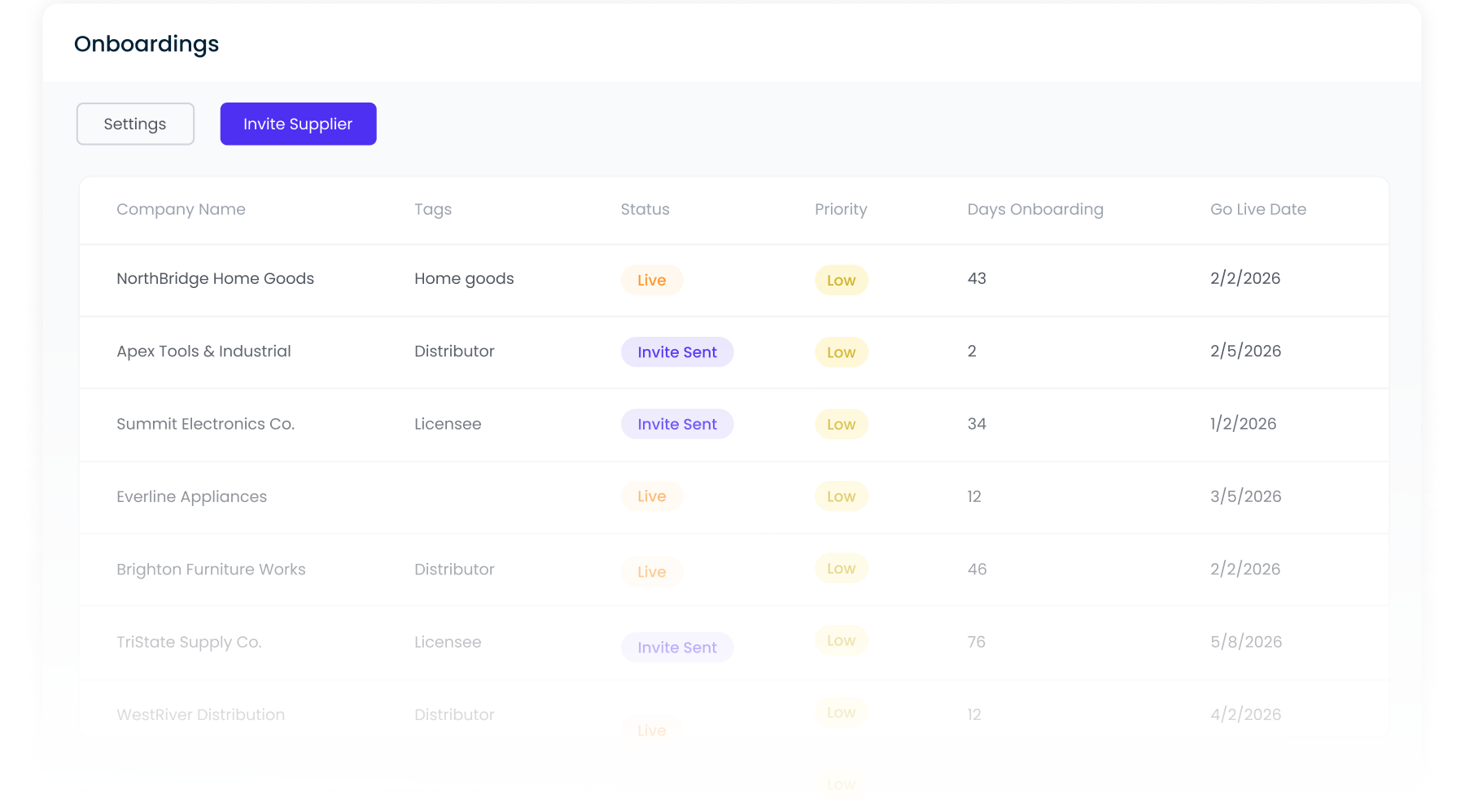
Rapid Supplier Onboarding streamlines the entire path from invite to first order with self-serve workflows, flexible connection options (Shopify, EDI, API, Portal), clear, test-first go-live criteria, and always-on support via AI—the result: faster assortment expansion, fewer manual follow-ups, and lower risk at launch.
Kickstart onboarding in a click. Your merchant user enters a supplier’s basic info (name, email), triggering a branded email invite. The supplier creates their account and lands in a guided, automated, task-based workflow that walks them through each requirement—no custom hand-holding required.

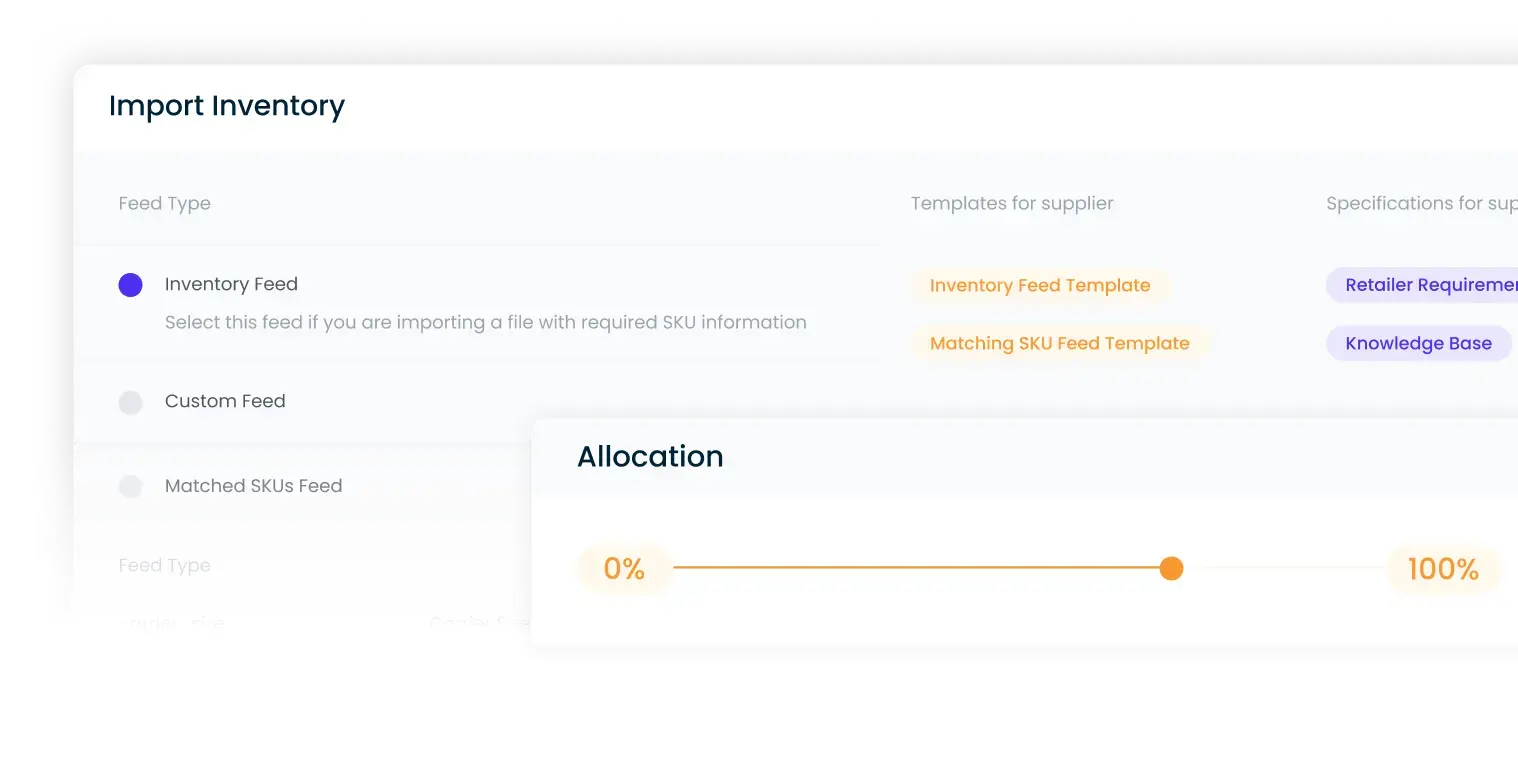
Every program has unique steps. Model yours with tailored workflows that capture merchant-specific details (policies, SLAs, shipping methods), required documents (tax, W‑9, agreements), and connection choices (Portal, EDI, API, Shopify).
See progress at a glance in the merchant dashboard. Track which suppliers are invited, in progress, testing, or go‑live ready. Drill into blockers and let the platform handle status notifications.
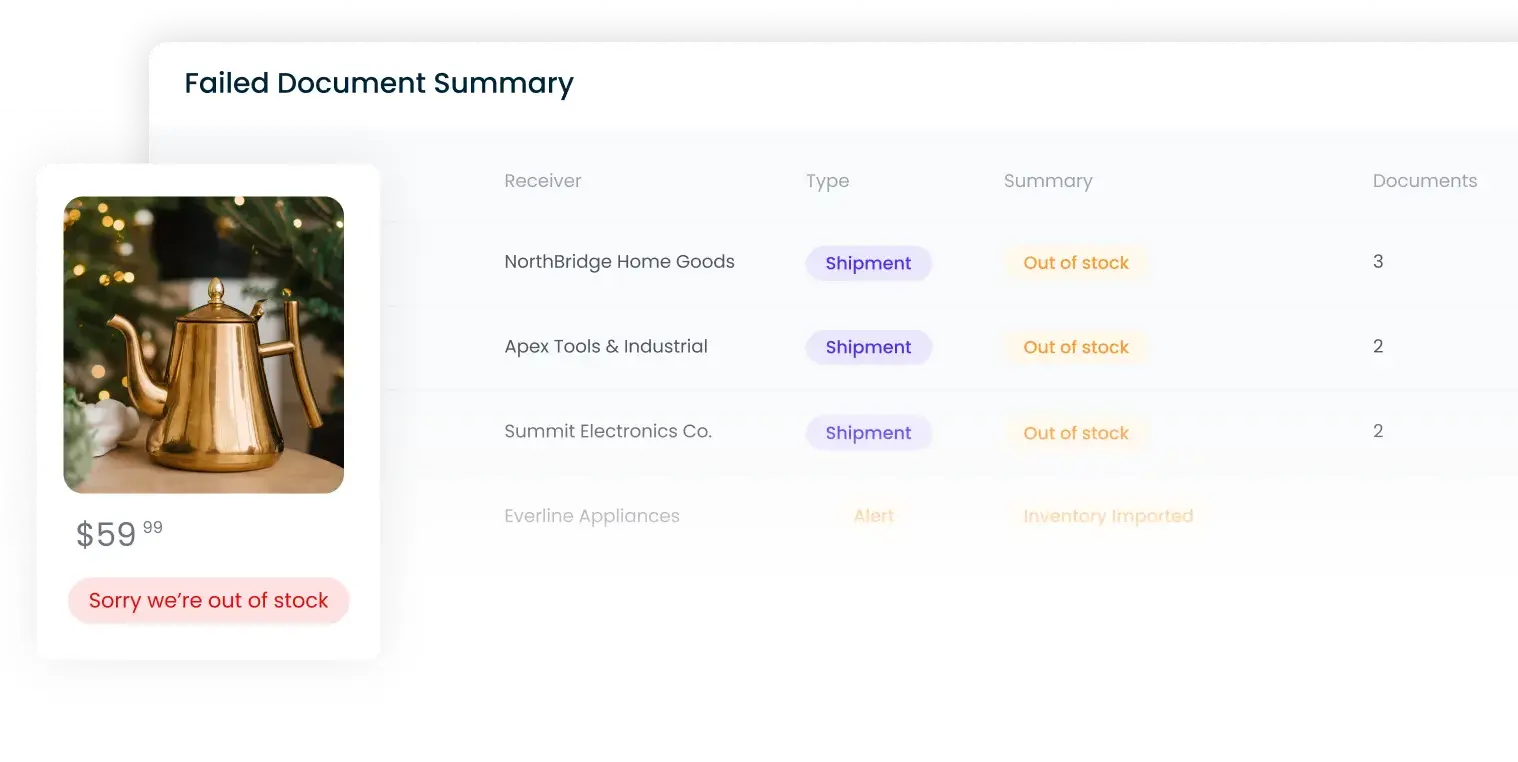
Keep momentum without chasing. Automated email notifications remind suppliers to complete tasks, submit documents, or finish tests, so your team spends less time following up and more time launching.
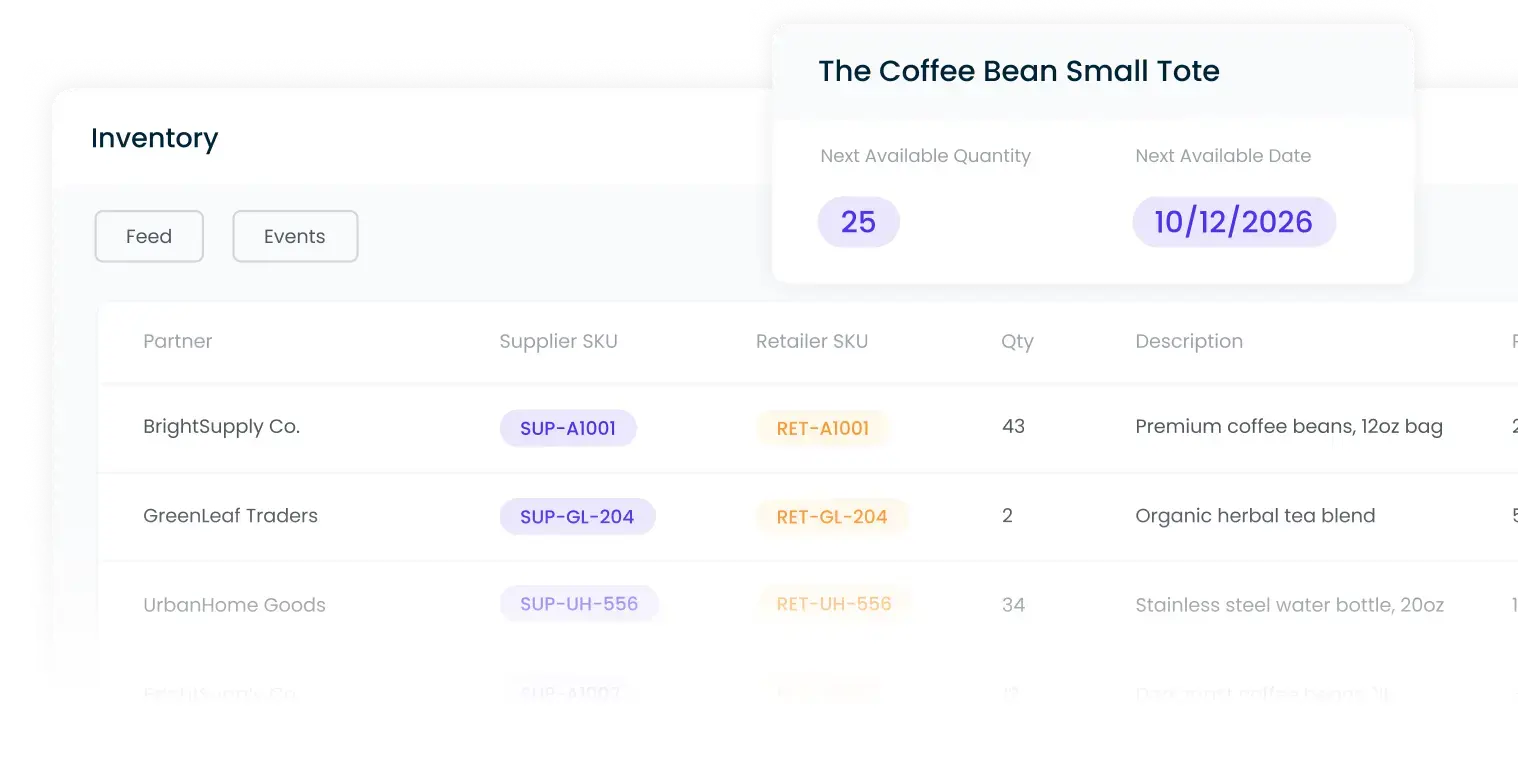
Make Shopify suppliers feel right at home. A purpose-built workflow guides them to install the Logicbroker app, import and sync products, activate webhooks, and configure channel-specific settings, so products and inventory flow correctly from day one.
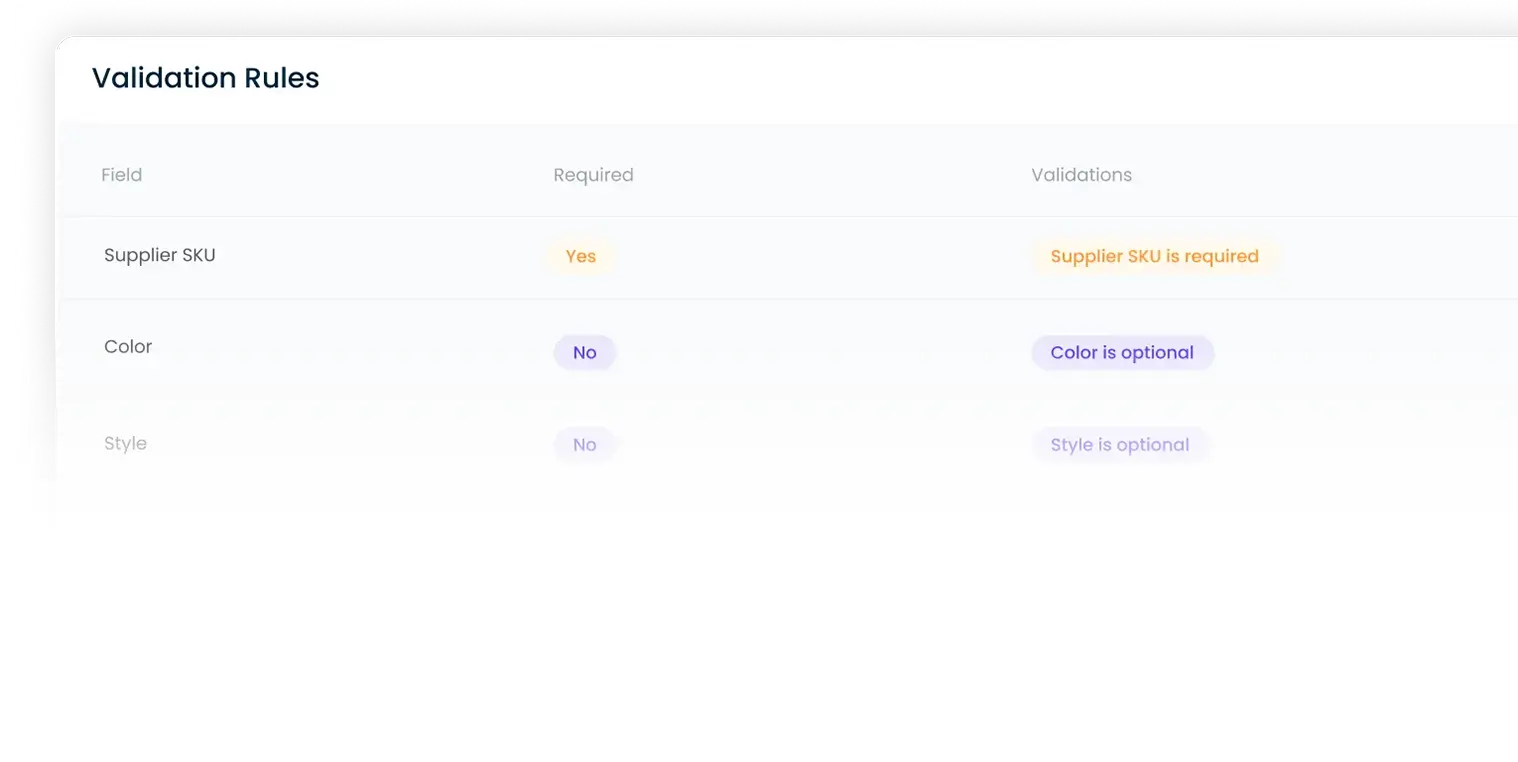
For suppliers connecting via EDI, give them a self-serve testing framework to launch and validate transactions without waiting on tickets. Suppliers can stand up connections, run test cases (PO/ACK/ASN/Invoice), and promote to production once everything passes – support is available if they need it, but not required.
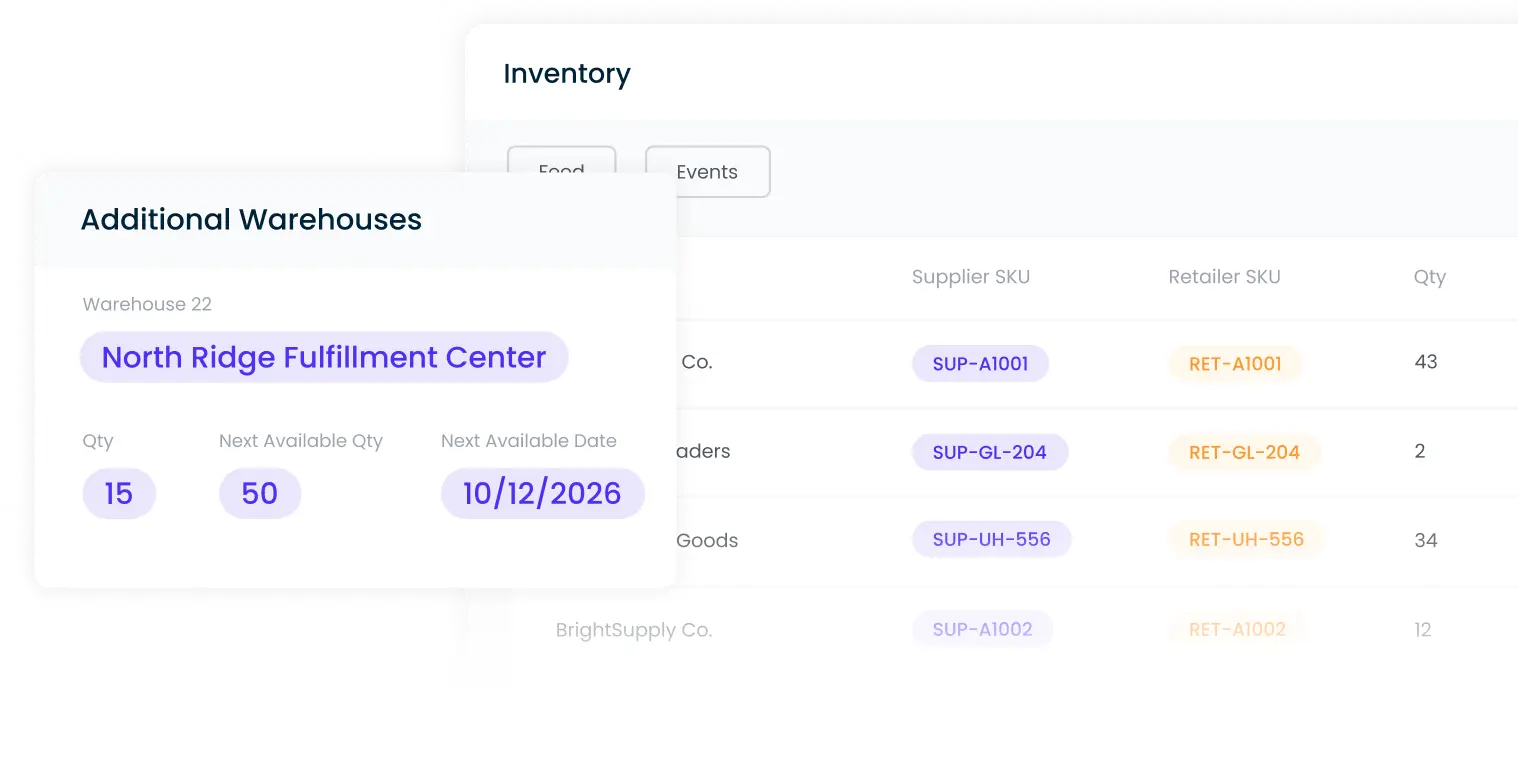
Give suppliers instant answers to onboarding and portal‑usage questions—anytime. The AI Portal Helper draws from Logicbroker’s detailed knowledge base and help center to resolve common issues without waiting for business hours, reducing support volume and keeping onboarding unblocked.
01.
Create or bulk‑upload supplier invites; suppliers receive branded emails to get started.
02.
Supplier selects connection path (Shopify, EDI, API, Portal) and completes your configurable tasks and document uploads; AI Portal Helper is available at every step.
03.
Product and inventory flows are verified (Shopify sync or file/API/EDI feeds).
04.
Suppliers run guided test cases (e.g., PO → ACK → Ship/ASN → Invoice) in stage with visible pass/fail checks.
05.
When tests pass, merchant approves and the system promotes settings to production—carrying mappings and credentials forward.
06.
First orders flow with confidence; monitoring and alerting are in place from day one.

Suppliers complete tasks on their own timeline with automated nudges and AI assistance—reducing ops bottlenecks.
Required test cases and artifact checks catch issues before you flip the switch.
Get more SKUs live sooner with ready‑made Shopify and EDI workflows.
AI deflects common questions while surfacing gaps in documentation.
Most suppliers complete invites and core tasks quickly, especially with Shopify or Portal paths. EDI suppliers progress at their own pace through the self‑serve test cases; your approval promotes them to production as soon as they pass. The AI Portal Helper accelerates completion by answering questions immediately.
You define the workflow, tasks, and required documents. Suppliers complete the steps, connect their systems (Shopify, EDI, API, or Portal), and run tests, with AI assistance available throughout.
Yes—add document upload and acknowledgement steps to your workflow. You can make them mandatory before testing unlocks; AI points suppliers to the correct steps.
Automated emails trigger on overdue tasks and milestone changes. You can adjust cadence, pause per supplier, and include helpful links or office hours. AI complements reminders by answering what to do next.
A guided, self‑serve testing framework with the standard document set (e.g., 850/855/856/810 equivalents). Suppliers get clear pass/fail feedback; you get artifacts for approval—and AI can answer “what does this error mean?”
Responses are grounded in your approved knowledge base and link back to full articles. Suppliers can rate answers and request human help when needed; analytics help you improve content over time.